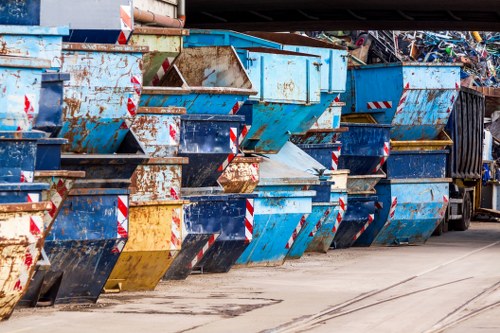
Health & Safety Policy for Flat Clearance Highgate
Purpose: This policy sets out the arrangements and commitments of Flat Clearance Highgate to protect the health, safety and welfare of employees, contractors and members of the public during flat clearance, rubbish removal and associated waste handling activities in our service area. It applies to all operational tasks, including residential flat clearance, rubbish collection and responsible waste transfer.Scope and Commitment
We will maintain a safe working environment by identifying hazards, assessing risks and implementing proportionate control measures. The organisation recognises its duty to provide safe systems of work for domestic and commercial flat clearance projects, to minimise harm during rubbish clearance operations and to maintain compliance with recognised industry standards. All personnel must follow instructions and report unsafe conditions.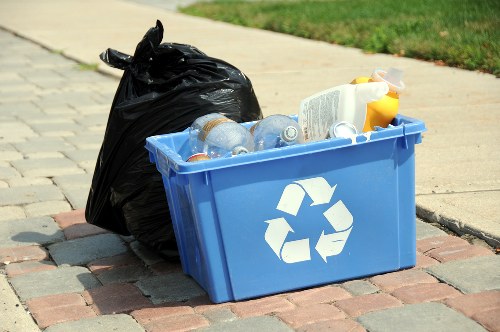 Responsibilities: Management will ensure suitable resources for health and safety are available. Supervisors and team leaders are responsible for enforcing safe work practices on-site and in transit. Employees and subcontractors engaged in rubbish clearance, waste removal and clearance operations are required to observe safe procedures, use supplied safety equipment and participate in training. Key risk controls include:
- Pre-clearance risk assessments and site surveys
- Use of personal protective equipment (PPE) and manual handling aids
- Clear segregation of hazardous items and safe disposal routes
Training, Competence and Communication
Training: All operatives will receive induction training that covers safe rubbish collection methods, manual handling techniques and correct use of tools and vehicles. Ongoing competency assessments and toolbox talks will be provided to reinforce safe behaviour during flat clearance and waste carriage tasks. Records of training and qualifications will be maintained for inspection.Communication: Safety information will be communicated through briefings, signage and written instructions. Workers will be encouraged to report near misses and hazards promptly. Robust handover procedures will be used for multi-team clearances to ensure continuity of safety measures and to prevent accidental exposure to risks such as sharp objects, asbestos fragments or biohazardous waste.
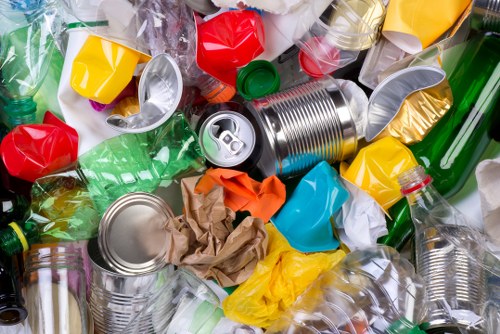 Safe Systems of Work: The company will use documented safe methods suitable for rubbish removal and flat clearance operations. Typical controls include:
- Pre-task briefings and documented method statements for complex or multi-stage removals
- Mechanical aids, trolleys and team lifting for heavy or awkward items
- Vehicle safety checks and secure loading procedures to prevent shifting loads during transit
Hazardous substances encountered during clearance, such as paint, solvents, batteries and electronic waste, will be managed in line with hazardous waste handling procedures. Where there is a reasonable suspicion of asbestos-containing materials, work will cease and appropriate specialists will be engaged. The organisation will ensure that hazardous items are segregated, labelled and transferred only to licensed recipients.
 Personal Protective Equipment (PPE) and Welfare: Appropriate PPE will be supplied and must be worn as required. This includes gloves, eye protection, high-visibility clothing and respiratory protection when dust or airborne contaminants are present. Welfare facilities, including hydration and rest breaks, will be provided during long or physically demanding clearance shifts. The company will ensure adequate supervision so that PPE is used correctly and maintained.
 Emergency Response, Reporting and Review: Emergency procedures will be established and communicated to all staff. These include first aid arrangements, accident and incident reporting, and actions to take in the event of fire, spillage or injury. All accidents, near misses and dangerous occurrences must be reported without delay and will be investigated to identify root causes and prevent recurrence. The health and safety policy will be reviewed periodically and after significant incidents to ensure continued suitability and effectiveness.
Monitoring and performance measurement will be carried out through routine inspections, incident analysis and safety audits. Key performance indicators for our rubbish removal and flat clearance operations will include injury rates, completeness of risk assessments, compliance with waste segregation protocols and timely training updates. Management will act on audit findings and lessons learned to improve safety practices.
Contractors and third parties: Anyone engaged to assist with clearances or waste handling must comply with this policy and demonstrate appropriate competence. Contractor arrangements will include verifying insurance, method statements and evidence of safe working practices for tasks completed at properties or in communal areas.
Conclusion: Flat Clearance Highgate is committed to continuous improvement in health and safety performance across our rubbish collection and flat clearance services. We expect everyone involved in operations to take responsibility for safety, to follow safe systems of work and to contribute to a culture that prevents harm. This policy is endorsed by senior management and will be reviewed regularly to reflect changes in operations, legislation and industry best practice.